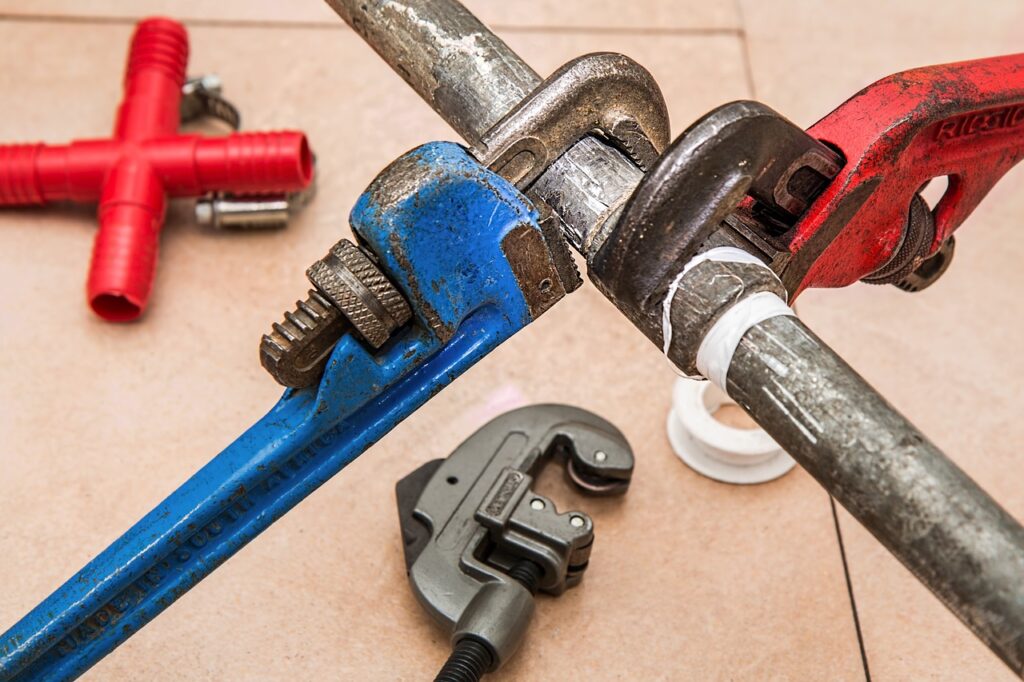
When your plumbing system is running smoothly, it’s easy to take it for granted. But the moment something goes wrong—whether it’s a dripping faucet, a clogged drain, or a burst pipe—plumbing problems can disrupt your entire day (and your budget). The truth is, plumbing is the backbone of your home’s functionality, and keeping it in good shape is essential.
Understanding common plumbing problems, spotting warning signs early, and knowing when to call a professional can save you time, money, and a lot of stress. Let’s dive into everything you need to know to keep your home’s plumbing system in tip-top shape.
1. The Importance of a Healthy Plumbing System
Why Plumbing is the Lifeblood of Your Home
Plumbing isn’t just about running water or flushing toilets—it’s about comfort, hygiene, and the overall health of your home. A well-functioning plumbing system provides clean water for drinking, cooking, and bathing, while safely removing wastewater and preventing contamination. Without it, daily life grinds to a halt.
The Hidden Costs of Ignoring Plumbing Issues
Plumbing problems might start small—a dripping faucet here, a slow drain there—but they can quickly snowball into costly repairs if left unchecked. For example:
- A minor leak can cause water damage and mold growth, requiring expensive remediation.
- A clogged pipe can lead to a sewage backup, which is both unsanitary and expensive to fix.
- Poor maintenance can shorten the lifespan of your water heater, pipes, and fixtures, leading to premature replacements.
2. Common Plumbing Problems Homeowners Face
Even the best plumbing systems experience issues from time to time. Here are the most common problems and why they happen:
Leaky Faucets: More Than Just Annoying
The sound of a dripping faucet isn’t just irritating—it’s a money drain. A single leaky faucet can waste hundreds of gallons of water per year, driving up your utility bill. Most leaks are caused by worn-out washers, seals, or cartridges that can be replaced easily if caught early.
Clogged Drains: When It’s More Than a Simple Blockage
A slow or clogged drain might seem like a minor inconvenience, but persistent clogs can indicate bigger problems, like:
- Tree root intrusion in underground pipes
- Grease buildup from cooking oils
- Foreign objects stuck in the plumbing system
Low Water Pressure: A Sneaky Warning Sign
If your shower feels more like a drizzle, it’s tempting to ignore the problem. But low water pressure could signal:
- Corroded pipes
- Leaks hidden behind walls
- A malfunctioning pressure regulator
Running Toilets: Flushing Money Away
A running toilet can waste up to 200 gallons of water a day. Often, the culprit is a faulty flapper or fill valve, but left unchecked, this small issue can lead to major water waste and increased bills.
Burst Pipes: A Winter Nightmare
Cold weather is a pipe’s worst enemy. When water freezes inside pipes, it expands and can cause the pipe to burst. The result? Flooding, water damage, and an emergency repair bill.
Water Heater Issues: No Hot Water or Strange Noises
Sediment buildup in your water heater can cause strange banging or popping sounds, reduce efficiency, and lead to cold showers. Regular maintenance is key to keeping your water heater functioning properly.
3. Warning Signs of Plumbing Trouble You Shouldn’t Ignore
The faster you catch a plumbing problem, the easier (and cheaper) it is to fix. Be on the lookout for these red flags:
- Water stains on walls or ceilings: This often points to hidden leaks behind walls.
- A sudden spike in your water bill: If your water usage hasn’t changed but your bill has, you may have a leak.
- Unpleasant odors coming from drains: Foul smells could signal a sewer line issue or trapped debris.
- Water pooling in unexpected places: Puddles near appliances, toilets, or the water heater are never a good sign.
4. Why Proactive Plumbing Maintenance is Critical
Extending the Life of Your Pipes and Fixtures
Plumbing systems aren’t meant to last forever, but proper maintenance can help you avoid premature replacements. By regularly checking for corrosion, leaks, and wear and tear, you can extend the life of your pipes, faucets, and water heater.
Avoiding Costly Emergency Repairs
Plumbing emergencies are expensive and stressful. Routine maintenance helps catch small issues—like minor leaks or clogs—before they escalate into full-blown disasters.
Protecting Your Home From Water Damage
Unchecked plumbing issues are one of the leading causes of water damage in homes. Once water seeps into walls, flooring, or insulation, it can cause mold growth, wood rot, and structural damage.
5. DIY vs. Professional Plumbing Repairs
When a Plunger or Wrench Will Do the Trick
Some minor plumbing fixes can be handled on your own, like:
- Using a plunger to clear a minor clog
- Replacing a faucet aerator to improve water pressure
- Tightening a leaky pipe joint
The Risks of DIY Plumbing
For anything more complex, DIY repairs can be risky. Using the wrong tools or techniques can cause further damage, leading to higher repair costs. For example:
- Over-tightening a pipe fitting can cause cracks.
- Using harsh chemicals to clear a drain can corrode your pipes.
Why a Licensed Plumber is Worth the Investment
A professional plumber has the expertise and tools to diagnose and fix problems correctly the first time. They can also identify hidden issues that might go unnoticed during a DIY job.
6. Plumbing Emergencies: What to Do Before Calling a Plumber
When a plumbing emergency strikes, acting quickly can minimize damage. Here’s what to do:
- Shut Off the Water Supply
Locate your home’s main water shut-off valve and turn it off immediately to stop water flow. - Turn Off the Water Heater
If the issue involves hot water, shut off your water heater to prevent damage. - Use Temporary Fixes to Control the Situation
For example, use plumber’s tape to temporarily seal a leaky pipe or buckets to collect dripping water. - Call a Licensed Plumber
Once the immediate danger is contained, call a professional to resolve the issue.
7. Preventative Plumbing Tips Every Homeowner Should Follow
A little prevention goes a long way. Here are some tips to keep your plumbing system in top shape:
- Regularly Inspect for Leaks and Corrosion: Check under sinks, around the water heater, and along visible pipes for signs of trouble.
- Keep Drains Clear: Avoid putting grease, coffee grounds, or fibrous foods down the drain. Use drain covers to catch hair and debris.
- Winterize Your Plumbing System: Insulate pipes in unheated areas and let faucets drip during freezing weather to prevent bursts.
8. FAQs About Plumbing for Homeowners
How Often Should I Have My Plumbing Inspected?
It’s a good idea to have your plumbing system professionally inspected every 1–2 years, especially if your home is older.
What’s the Lifespan of My Pipes?
- Copper pipes: 50+ years
- PVC pipes: 25–40 years
- Galvanized steel pipes: 20–50 years
Are Plumbing Repairs Covered by Homeowners Insurance?
It depends. Sudden and accidental damage (like a burst pipe) is often covered, but wear and tear or negligence usually isn’t. Review your policy to understand what’s included.
The Bottom Line
Your home’s plumbing system is one of its most critical components—and one of the easiest to overlook. By staying proactive with maintenance, recognizing warning signs, and knowing when to call a professional, you can avoid costly emergencies and keep your home running smoothly.
When in doubt, don’t hesitate to call a licensed plumber for help. It’s an investment in your home’s comfort, safety, and longevity.