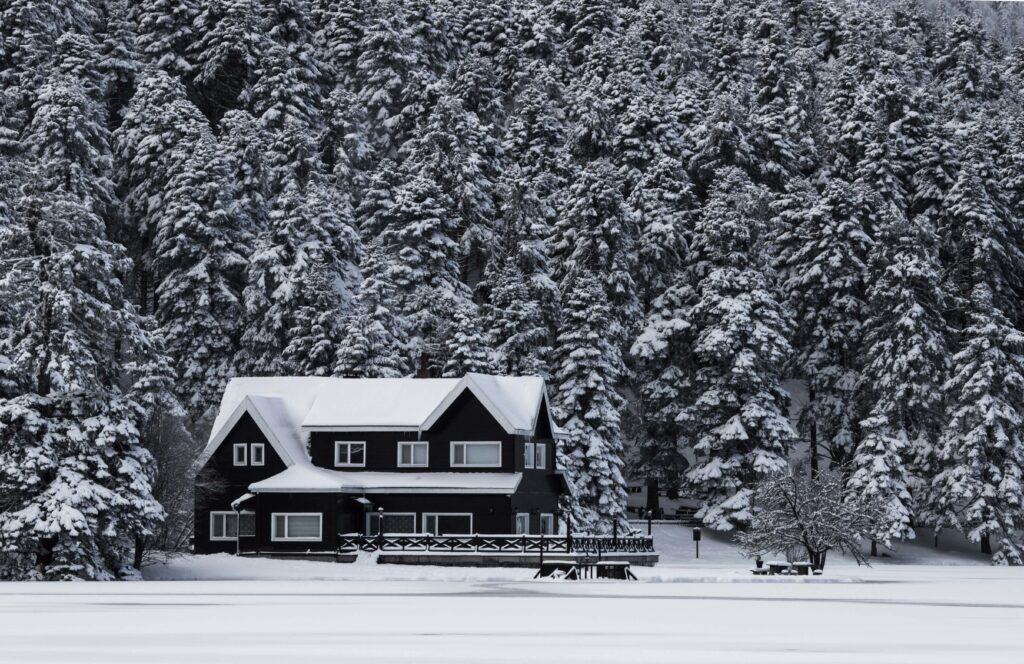
Winter brings its fair share of magic—snowflakes, hot cocoa, and cozy evenings and thoughts about how to protect your home from winter weather. Freezing temperatures, icy winds, and heavy snowfall can wreak havoc on your property. The good news? With a bit of preparation, you can safeguard your home from winter’s chill while staying warm and worry-free.
Here’s a step-by-step guide to winter-proofing your home, packed with practical advice and tips.
1. Seal Those Drafts: Keep the Warmth In
Have you noticed chilly drafts sneaking into your home? Those leaks aren’t just uncomfortable—they could be spiking your heating bill.
- Check Windows and Doors: Run your hand along edges to feel for drafts. Add weatherstripping or use draft stoppers for an instant fix.
- Seal Gaps: Caulk any cracks around windows, doors, and even baseboards. Don’t forget areas where pipes or wires enter your home.
- Upgrade Curtains: Swap out lightweight window treatments for thermal or insulated curtains to keep the cold out and the warmth in.
Imagine this: Your home snugly wrapped like a warm winter scarf—no escaping heat and no unnecessary energy costs.
2. Roof Ready? Stop Snow Before It Stacks Up
A sturdy, well-maintained roof is your first line of defense against winter weather.
- Inspect for Damage: Look for loose shingles or signs of wear. Better to patch them now than deal with a costly leak in January.
- Clean the Gutters: Clear out leaves and debris to ensure melting snow can drain properly, reducing the risk of ice dams.
- Invest in a Roof Rake: Use it to clear heavy snow after storms, preventing roof strain or collapse.
Hiring professionals to inspect and repair your roof can save you a fortune in emergency repairs.
3. Pipes, Pipes, Baby: Prevent Freezing and Bursting
Frozen pipes are every homeowner’s nightmare. The damage they cause isn’t just inconvenient—it’s expensive.
- Insulate Pipes: Cover exposed pipes in crawlspaces, attics, and basements with foam insulation or heat tape.
- Keep Water Flowing: On frigid nights, leave faucets dripping to prevent freezing. Moving water is less likely to freeze.
- Disconnect Outdoor Hoses: Drain and store garden hoses, then shut off exterior water lines to avoid freezing and cracking.
Did you know? A burst pipe can spew up to 250 gallons of water a day. Preventative care is definitely worth the effort.
4. Heat Smart: Optimize Your Home’s Warmth
Your heating system works overtime in the winter—help it out by ensuring efficiency.
- Change Air Filters: Dirty filters make your furnace work harder. Replace them monthly during the colder months.
- Schedule a Tune-Up: A professional check-up can improve your system’s performance and identify potential issues before they become major problems.
- Use a Programmable Thermostat: Set lower temps when you’re asleep or away and raise them when you’re home to save energy without sacrificing comfort.
Tip: Heat rises, so ceiling fans set to clockwise mode can push warm air back down into your living space.
5. Ice Isn’t Nice: Protect Walkways and Driveways
Slippery surfaces are a hazard for everyone. Keeping them clear is a simple but vital winter safety measure.
- Shovel Regularly: Don’t wait for the snow to pile up—it’s easier to tackle a few inches at a time.
- Apply Deicer: Opt for pet- and plant-friendly deicing solutions to melt ice without causing damage.
- Consider Heated Mats: Place these on walkways or stairs for a hands-free ice-melting option.
Pro Tip: Sprinkle sand or kitty litter on icy spots for added traction. Your mail carrier will thank you!
6. Don’t Forget the Details: Little Things That Add Up
Winter-proofing isn’t just about big projects—it’s also about small adjustments that make a big impact.
- Stock Up on Supplies: Keep snow shovels, salt, and emergency kits handy. A little prep goes a long way when a blizzard hits.
- Reverse Ceiling Fans: Clockwise rotation pushes warm air down into your rooms, making them feel warmer without extra heat.
- Insulate the Attic: Proper insulation prevents heat from escaping and snow from melting unevenly, which can lead to ice dams.
7. Bonus Tip: Know When to Call the Pros
Sometimes, DIY isn’t enough. If you’re facing major repairs or just want peace of mind, call in the experts. Professionals can:
- Inspect your roof and chimney.
- Tune up your heating system.
- Insulate tricky or hard-to-reach areas.
Winter weather doesn’t have to be stressful. With these practical tips, you’ll protect your home and enjoy a cozy, worry-free season. So, grab that cup of cocoa, relax, and let the snow fall where it may—your home is ready for anything.
What’s your go-to winter prep tip? Share in the comments or tag us on social media with your winter-ready setup!