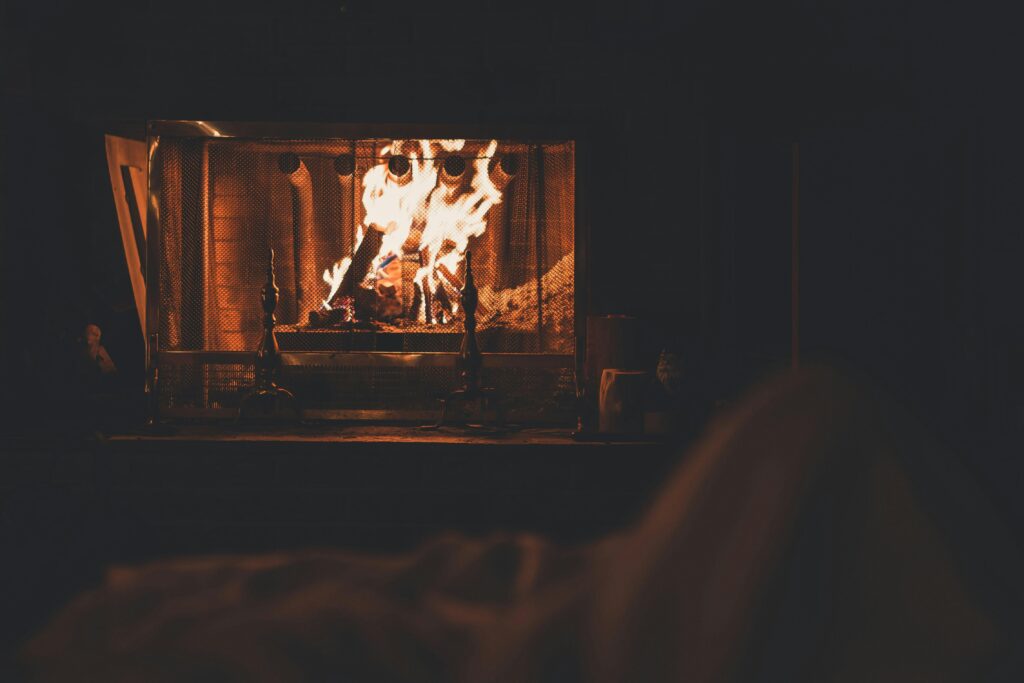
Why Fireplaces Are the Heart of the Home
There’s nothing quite like the warm, flickering glow of a fireplace to make a house feel like a home. Fireplaces have long been symbols of comfort and togetherness, offering both a practical heat source and a cozy ambiance. However, behind that beauty lies an important responsibility: keeping your fireplace and chimney safe and functional.
In this guide, we’ll explore everything homeowners need to know about fireplaces and chimneys, from choosing the right type to maintenance tips and common mistakes to avoid. Whether you’re lighting your first fire or a seasoned fireplace enthusiast, this guide will help keep your hearth glowing safely all year long.
1. Types of Fireplaces and Chimneys
Understanding the different options available can help you choose the right fireplace or chimney for your home and lifestyle.
Fireplace Types
- Wood-Burning Fireplaces: Traditional and charming, but they require a steady supply of firewood and regular cleaning.
- Gas Fireplaces: Convenient and low-maintenance, offering instant heat with the flick of a switch.
- Electric Fireplaces: Perfect for homes without a chimney, these are energy-efficient and easy to install.
- Ethanol Fireplaces: Sleek and modern, these fireplaces burn clean fuel and don’t require venting.
Chimney Options
- Masonry Chimneys: Made of brick or stone, these are durable but require regular upkeep.
- Prefab Chimneys: Lightweight and cost-effective, often paired with modern fireplaces.
2. Fireplace and Chimney Safety Tips
Preventing Fires and Carbon Monoxide Poisoning
- Install a Chimney Cap: This keeps out rain, debris, and wildlife that could block airflow.
- Use a Fireplace Screen: Prevents embers from escaping and causing accidental fires.
- Check Smoke and Carbon Monoxide Detectors: Test alarms regularly and replace batteries as needed.
Burn the Right Materials
- Only burn seasoned hardwood or manufactured fire logs.
- Avoid burning treated wood, paper, or trash, which can release harmful chemicals.
3. Fireplace and Chimney Maintenance Checklist
Annual Chimney Inspection
Hire a certified chimney sweep to check for creosote buildup, structural issues, or blockages. Creosote is a highly flammable residue that can accumulate inside the chimney and lead to chimney fires.
Cleaning Your Fireplace
- Remove ashes after every few uses but leave a thin layer to help insulate new fires.
- Clean the glass doors using a solution of vinegar and water or a specialized cleaner.
Signs It’s Time for Professional Help
- Excessive smoke entering your home.
- Cracks or damage in the masonry.
- Strong odors from the fireplace, which could indicate creosote buildup.
4. Enhancing Fireplace Efficiency
A fireplace can be a significant source of heat if optimized properly.
Tips for Improved Heating
- Install a Fireplace Insert: These are highly efficient units that fit into your existing fireplace, improving heat output.
- Use a Heatproof Fan: Circulates warm air throughout the room.
- Seal Air Leaks: Ensure the damper closes tightly when the fireplace is not in use to prevent drafts.
Alternative Heating Sources
For homes with outdated fireplaces, consider upgrading to a gas or electric model for increased efficiency and convenience.
5. Common Chimney and Fireplace Problems
Creosote Buildup
If not cleaned regularly, creosote can ignite and cause dangerous chimney fires. Annual cleaning is essential to prevent this.
Structural Damage
Cracks in the chimney or fireplace can lead to leaks and reduce efficiency. A professional mason or chimney technician can repair these issues.
Draft Issues
A poorly functioning damper or blockages can cause smoke to fill your home instead of escaping through the chimney.
6. Fireplace Décor and Cozy Ideas
Fireplaces aren’t just functional—they’re a focal point of your living space.
Styling Your Mantel
- Add seasonal décor like garlands, candles, or framed artwork.
- Use heat-resistant materials for decorations near the firebox.
Create a Cozy Nook
- Place a comfortable chair or loveseat near the fireplace for a reading corner.
- Use firewood as décor by stacking it neatly in a log holder.
7. The Benefits of Professional Fireplace and Chimney Services
DIY fireplace maintenance can only go so far. Professional services ensure your fireplace and chimney are safe and efficient.
What to Expect from a Chimney Sweep
- Removal of creosote and soot buildup.
- Inspection for cracks, blockages, and signs of wear.
- Recommendations for repairs or upgrades.
When to Call a Pro
- Before the start of each winter season.
- After noticing performance issues like poor drafts or unusual smells.
8. Fireplaces: A Tradition Worth Maintaining
There’s a reason fireplaces have remained a cherished feature in homes for centuries. They bring warmth, ambiance, and a sense of nostalgia that few other home features can match. By keeping your fireplace and chimney in excellent condition, you ensure that it remains a safe and inviting centerpiece for your family to enjoy.
Ready to enhance your fireplace experience? Explore trusted chimney and fireplace professionals listed on the “Home Owners in the Know” website and keep your hearth in top shape for years to come.